PR Analysis of How the Eagles and NFL Handled Jalen Hurts’ Blood Clot Diagnosis
By Emmy Hillman
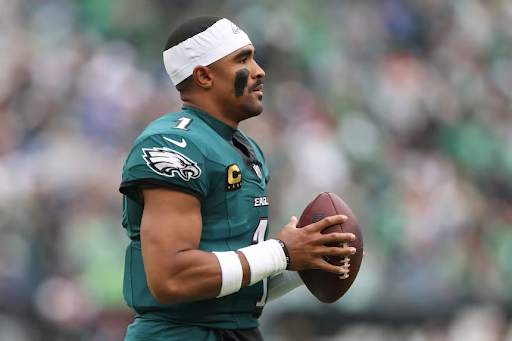
Hurts’ clots originated from a calf injury he received during the October 4 game against the Los Angeles Rams. (Emilee Chinn, Getty Images)
Managing a high-stakes crisis becomes exponentially harder when complex medical facts emerge in fragments. The evolving diagnosis of Philadelphia Eagles quarterback Jalen Hurts, from a superficial calf blood clot on Oct. 10 to deep vein thrombosis and pulmonary embolisms on Oct. 19, offers an interesting study in the communication pitfalls of delayed transparency, fragmented timelines, and missing experts.
The Eagles’ initial communications regarding Hurts diagnosis faltered, marked by a confusing reversal on Hurts’ injured reserve status and a lack of official details that invited a wide host of rumors. For example, claims emerged that he was instructed to stay awake for 36 hours prior to playing their game in London. The narrative only stabilized when the Eagles and Hurts’ agent issued a detailed, joint statement outlining his prognosis and expected treatment plan. A more unified front, with an alignment of stakeholders and the release of a message immediately, would have quelled public anxieties surrounding Hurts’ injury and halted the spread of misinformation.
A primary misstep in the team’s response was placing head coach Nick Sirianni in front of the media to field intricate medical questions, rather than a medical expert more familiar with Hurts’ care. Coaching staff can address game preparation and availability of players, but clinical decisions surrounding vascular conditions should be reserved for medical authority. Reflecting on former Patriots quarterback Drew Bledsoe’s serious chest injury in 2001, PR strategist Michelle Bonner highlights how New England handled the crisis by hosting a press conference alongside Massachusetts General Hospital physicians:
“When Bledsoe got cleared to play, they didn’t put Coach Bill Belichick in the position of trying to explain complicated medicine… A head coach can answer whether a player practiced… But when the questions become about blood clots, vascular medicine and clinical decisions… those questions belong with medical experts.”
Key Takeaway for Communicators: In any crisis, control the narrative by pairing total transparency with the proper experts. When dealing with an institution that carries historical trust deficits, proactive accountability is the only path to credibility.
Schuman, Nicole (2026, October 22) PR Roundup: The Eagles’ Fragmented Crisis Response
Christensen, Jen (2026, October 20) How a calf injury could have led to blood clots in Jalen Hurts’ lungs
